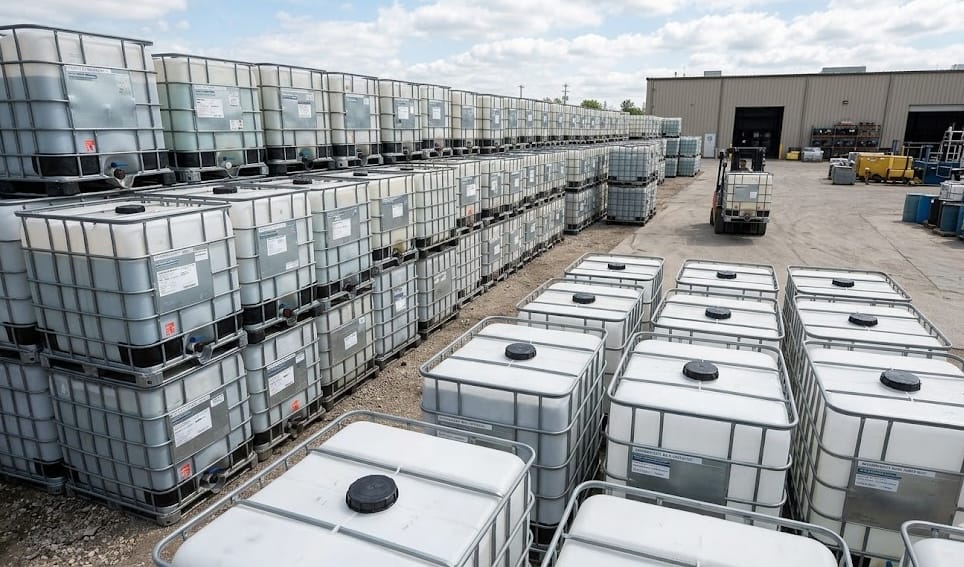
IBC tote aquaponics systems are one of the most popular DIY projects in the sustainable agriculture community. By cutting a single IBC tote, you can create both a fish tank and a grow bed that work together in a closed-loop ecosystem where fish waste feeds plants and plants filter water for fish.
Materials needed: One 275-gallon food-grade IBC tote (used Grade B or C is fine), a water pump (400-800 GPH), plumbing fittings (1-inch PVC, uniseal bulkhead fittings), expanded clay aggregate (LECA) for the grow bed media, a bell siphon or timer for flood-and-drain cycling, fish (tilapia, goldfish, or koi), and seedlings.
The basic cut: Mark a line approximately one-third of the way down from the top of the bottle. Cut carefully with a reciprocating saw or jigsaw. The top third becomes your grow bed (approximately 12 inches deep). The bottom two-thirds becomes your fish tank (holding roughly 180 gallons).
The grow bed sits on top of the fish tank, supported by the steel cage. You will need to create a support platform within the cage — horizontal bars or a plywood shelf work well. Ensure the grow bed is level and that its weight (up to 400 pounds when filled with wet media) is evenly distributed.
Plumbing: Install a bulkhead fitting in the bottom of the grow bed to allow water to drain back to the fish tank. Connect the water pump in the fish tank to a pipe that brings water up to the grow bed. The pump runs continuously or on a timer, flooding the grow bed. A bell siphon automatically drains the bed when the water level reaches a set point.
Cycling the system: Before adding fish, you must cycle the system to establish beneficial bacteria that convert toxic ammonia (from fish waste) into nitrates (plant food). This takes 4-6 weeks. Add a source of ammonia (pure ammonia, fish food, or a few hardy fish) and test water chemistry regularly until ammonia and nitrite levels drop to near zero.
Fish stocking: Start with a conservative stocking density of one fish per 5-10 gallons of tank water. For a 180-gallon tank, that means 18-36 fish. Tilapia are the most popular choice in warm climates like Florida — they grow fast, tolerate variable water conditions, and are edible. Goldfish and koi are good options for ornamental systems.
Plant selection: Leafy greens (lettuce, basil, kale, Swiss chard) perform best in aquaponics, especially in newer systems. Fruiting plants (tomatoes, peppers, cucumbers) can work once the system is mature and nitrogen levels are robust. Herbs are excellent performers and add significant value per square foot of grow bed.
Maintenance: Feed fish daily. Check water pH weekly (target 6.8-7.2). Top off evaporated water as needed. Remove dead plant material promptly. Inspect the pump and plumbing monthly. A well-maintained IBC aquaponics system can produce 50+ pounds of vegetables and 20+ pounds of fish per year.