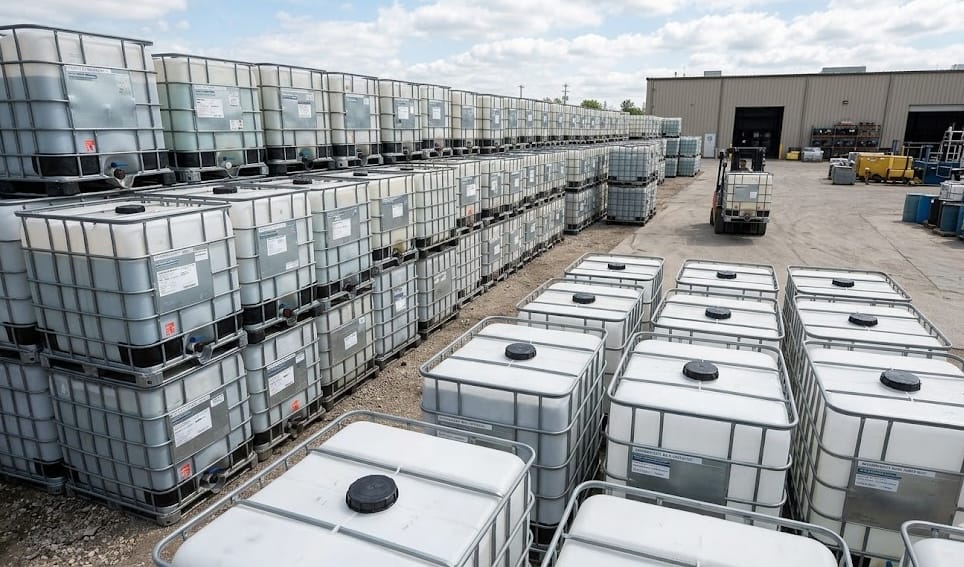
Florida is no stranger to hurricanes, tropical storms, and other natural disasters that can disrupt water supply for days or even weeks. IBC totes provide an affordable, high-capacity solution for emergency water storage. A single tote holds 275 gallons — enough drinking water for a family of four for over 30 days.
Container selection: Use only food-grade IBC totes for emergency water storage. Previously stored foods like juices or syrups are ideal sources — the containers are confirmed safe for consumption. Avoid any tote that has held chemicals, even if it has been cleaned. When in doubt, buy a new or reconditioned food-grade tote.
Water treatment: Fill with potable municipal water (already chlorinated) or well water that has been tested. For long-term storage, add 1/4 teaspoon of unscented liquid chlorine bleach per gallon (approximately 1/2 cup per 275-gallon tote). This maintains a residual chlorine level that prevents bacterial growth.
Rotation schedule: Even properly treated, stored water should be rotated every 6-12 months. Mark the fill date on the tote and set a calendar reminder. Used water can go to garden irrigation — it does not need to be wasted. Refill immediately after rotation.
Capacity planning: FEMA recommends a minimum of one gallon per person per day for drinking and basic sanitation. For a family of four, that is 4 gallons per day, or 120 gallons per month. A single 275-gallon IBC tote exceeds this minimum substantially, providing a 69-day supply. For extended preparedness, consider two totes (138 days).
Placement: Store the tote indoors (garage, utility room) or in a shaded outdoor location. UV exposure degrades HDPE over time — an outdoor tote should be covered. Ensure the surface can support 2,400+ pounds. Place near your home entry point for easy access during an emergency.
Dispensing in an emergency: The bottom valve provides gravity-fed dispensing. Keep a food-grade hose and shut-off nozzle attached for convenience. For drinking, dispense into clean containers and re-treat with bleach (2 drops per quart) if the storage period has exceeded 6 months.
Additional uses in emergencies: Beyond drinking, stored water can be used for cooking, wound cleaning, medication preparation, pet hydration, and basic hygiene. Having a large reserve means you can maintain basic sanitation standards even during extended outages, significantly reducing disease risk.